Posing
Plus Size Boudoir Poses That Flatter and Feel Natural
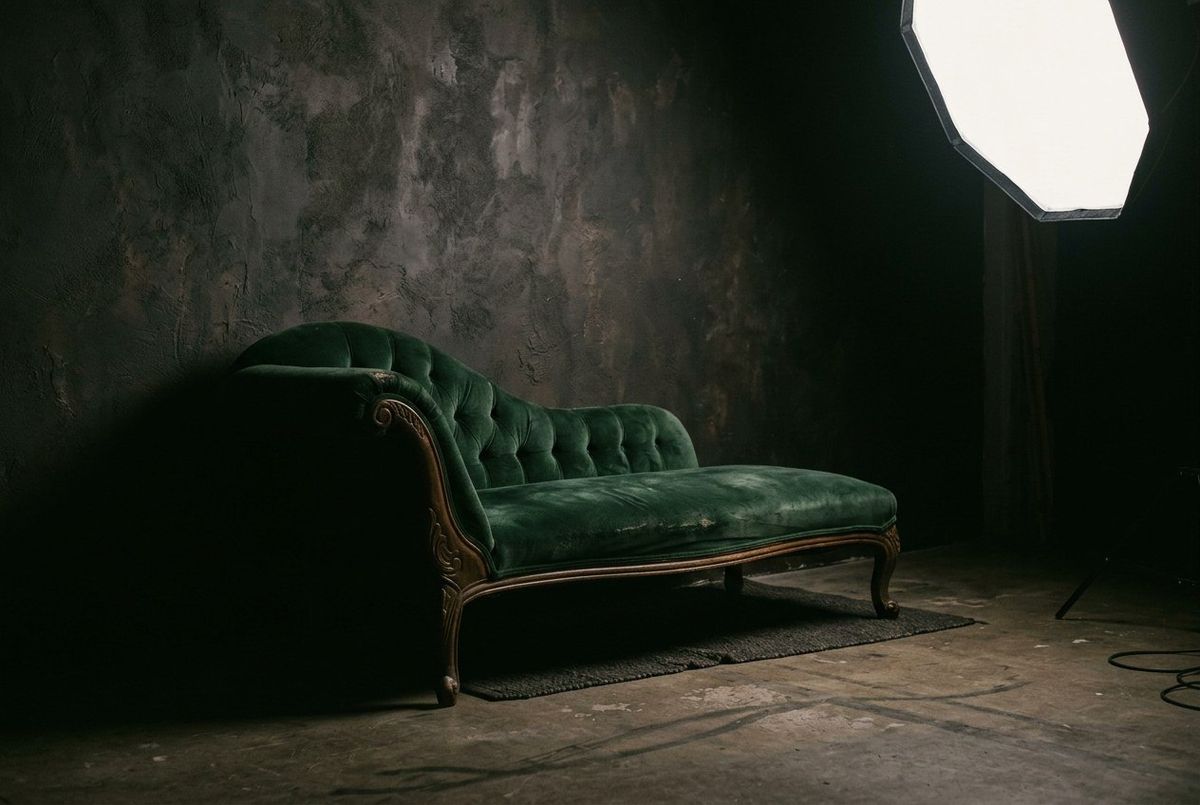
Good posing is not about hiding a body. It is about angles, light and comfort, and the same principles work for every shape and size.
Ask experienced portrait photographers what makes a flattering boudoir image and very few will mention body size. They talk about camera height, the direction of the light, where the weight sits in a pose and whether the person in front of the lens looks relaxed. Those are the things that shape a photograph. Plus size boudoir is simply boudoir, photographed with the same care. This guide collects poses and techniques that work well, along with the reasons they work, so you can walk into a session knowing what to expect.
Start with the camera, not the body
The single biggest factor in a flattering portrait is where the camera sits.
- Slightly above eye level. A camera held a little higher than the eyes, angled down, defines the jawline and makes the face the focal point. It is the default for most seated and reclining portraits.
- Avoid shooting from below. A low camera angle enlarges whatever is closest to the lens and shortens the neck. It has its uses in fashion work, but it rarely flatters in an intimate portrait.
- Lens choice. Portrait photographers usually work with short telephoto lenses, roughly 70 to 135 mm on a full-frame camera, at a comfortable distance. Wide-angle lenses close up distort proportions; a longer lens from further away compresses them gently.
You do not need to manage any of this yourself, but it is reasonable to ask a photographer how they approach it. Someone who answers confidently about angles and lenses has done this before.
Seated poses
Seated poses are the easiest place to begin because they feel stable.
- The angled sit. Sit on the edge of a bed or chaise with your body turned about 45 degrees from the camera, weight on the hip furthest from the lens. Turn your shoulders back toward the camera slightly. This creates a gentle curve and a defined waist without any strain.
- Knees together, feet apart. Bring the knees together and let the feet rest slightly apart, with one foot pointed. The legs read as one long line.
- Lean forward from the hips. A small forward lean, chin out and slightly down, brings the face closer to the lens and tightens the line of the neck.
- Hands with a job. Hands look natural when they are doing something light: holding the edge of a robe, resting on a knee, touching the hair or the collarbone. Keep fingers soft and avoid pressing into skin.
Reclining poses
Lying down feels exposed at first, but reclining poses are among the most flattering, because gravity and a high camera angle do much of the work.
- On your side, top knee forward. Lie on your side facing the camera, prop yourself on an elbow, and bring your top knee forward over the lower leg. Roll the top hip slightly toward the lens.
- On your back, head toward the camera. With the photographer standing above and behind your head, the frame is upside-down to you and the face becomes the subject. It is a classic for a reason.
- On your front, feet up. Lie on your stomach with elbows down and feet raised and crossed behind you. It is playful, relaxed and works for almost everyone.
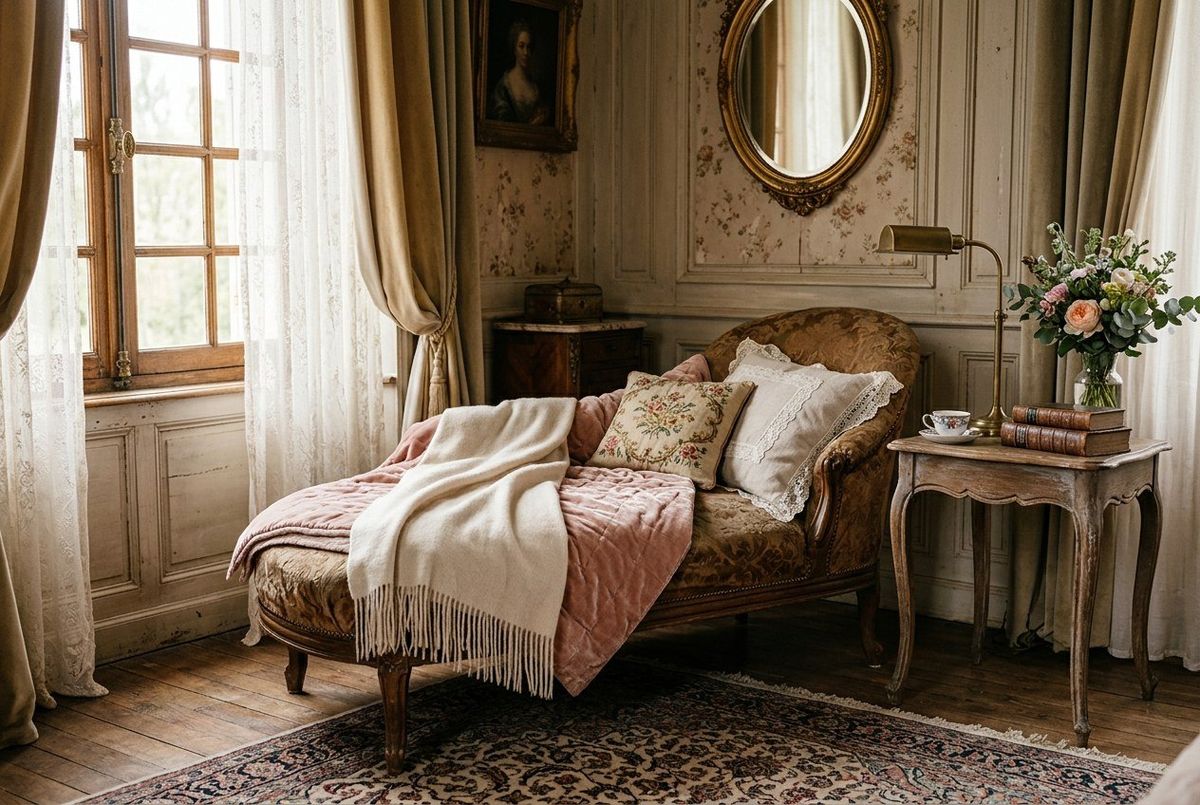
Standing poses
Standing is the hardest position to make look relaxed, so it helps to have something to interact with.
- Lean on something. A door frame, a window, a wall or the back of a chair gives the body a reason to angle and the weight a place to go.
- Weight on the back leg. Shift your weight onto the leg furthest from the camera and bend the front knee slightly inward. This is the most reliable standing pose in portraiture.
- Look away. A frame where you are looking out of a window, or over your shoulder, takes the pressure off eye contact and often becomes a favorite.
Light shapes the body
Lighting is where a skilled photographer earns their fee. Soft light from one side, from a large window or a big softbox, wraps around curves and creates gentle shadow that gives the body depth. Flat light from straight on removes that shape. Many photographers also use short lighting, where the light falls on the side of the face turned away from the camera, which has a slimming effect on the face. There is more on how window light and studio light differ on the posing and light page.
Fabric does half the work
Wardrobe is part of posing. Pieces with structure, such as a corset-style top, a high-waisted set or a well-fitted bodysuit, hold their shape when you move. Sheer robes, oversized shirts and bed sheets can be draped to frame the body and add movement. Fit matters more than anything else: a piece that is too small digs in and draws the eye; a piece that fits sits cleanly. If you are unsure, bring options in two sizes. There is a fuller guide to boudoir outfits on this site.
Comfort comes first
Every pose here should feel manageable. A good photographer demonstrates poses rather than describing them, adjusts you with words rather than touch (or asks first), and checks in often. You can always ask to see the back of the camera, to slow down, or to skip a pose entirely. Images look better when the person in them feels safe, and the consent and privacy page sets out what that should look like in practice.
Bring examples, and say what you love
Before the session, collect a handful of images you like and, just as useful, a few you do not. Tell the photographer which parts of yourself you love and want featured, and which you would rather keep in soft focus or shadow. It is a normal conversation in boudoir work, and it lets the photographer plan poses and light around you rather than around a template.