Wardrobe
Boudoir Photoshoot Outfits: What to Wear and Why
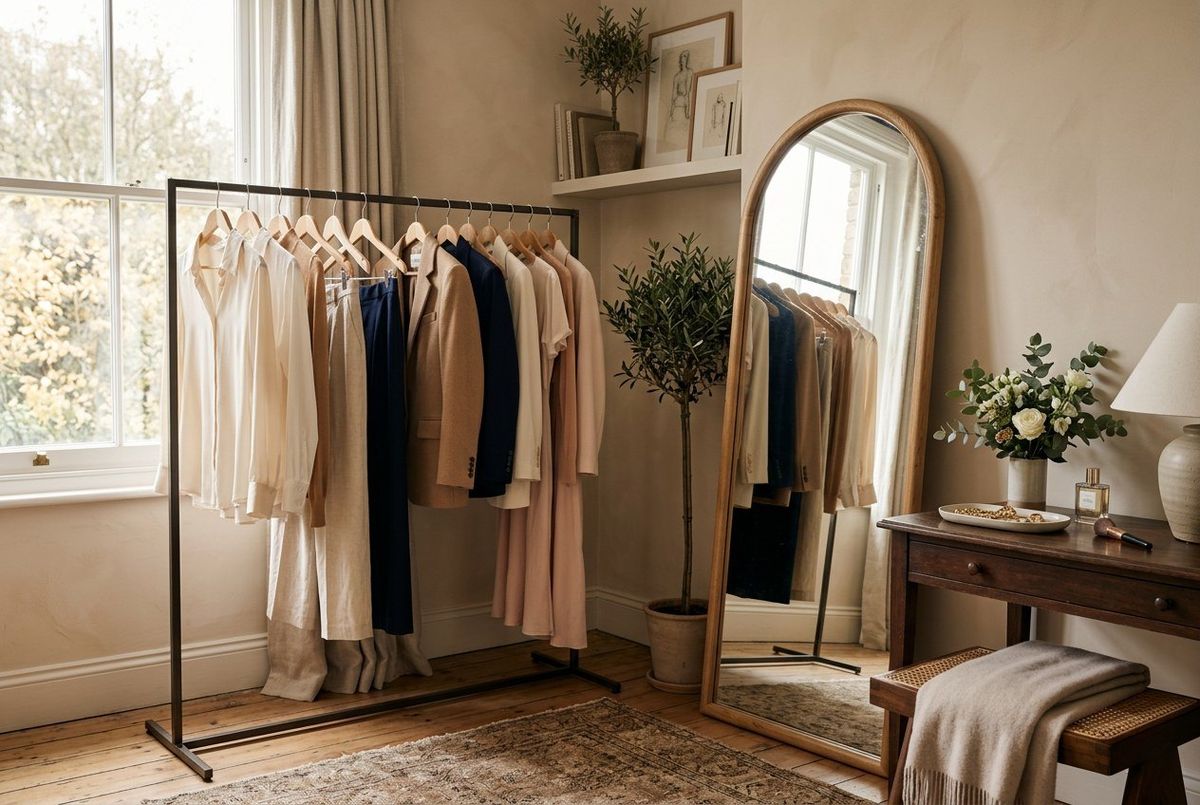
Wardrobe sets the tone of a boudoir session before a single frame is taken. The best outfits are the ones that fit well and feel like you.
"What should I wear?" is the first question almost everyone asks before a boudoir session, and the honest answer is less about specific pieces than about fit, fabric and color. A well-chosen outfit makes posing easier, flatters the light and helps you relax. A poorly fitting one is the most common reason people dislike their images. This guide walks through the main options and how they photograph.
The core options
Lingerie sets
Matching bra and brief or high-waisted sets are the classic boudoir wardrobe. Lace photographs especially well because its texture catches soft light. High-waisted cuts define the waist and are comfortable for seated and reclining poses.
Bodysuits
A one-piece bodysuit creates a long, continuous line from shoulder to hip and is one of the most forgiving pieces for any body type. Styles with some structure or boning hold their shape when you move.
Robes and kimonos
A sheer or silk robe is the most versatile item you can bring. It can be worn open, closed, slipping off one shoulder, draped across a chair or held like fabric. It also gives you something to do with your hands.
An oversized shirt or sweater
A white button-down shirt or a chunky knit gives a relaxed, lived-in look that many people prefer to anything more formal. It suits bright, airy, morning-light images.
Bed sheets and fabric
Photographers often use a sheet or a length of fabric as wardrobe. It can be draped and wrapped to cover as much or as little as you choose, and it is useful for anyone who wants a more modest set.
Fit matters more than anything
Clothing that is too small cuts into skin and draws the eye to exactly the wrong place. Clothing that is too big looks sloppy in close-up. If you are buying something new for the session, try it on sitting, lying down and leaning forward, not just standing in front of a mirror. If you are between sizes, bring both. Straps should sit flat, and underwire should rest where it is designed to sit. A quick fitting at a specialist lingerie shop can be worth it.
Colors and fabrics that photograph well
- Black is timeless and works with dark, moody backgrounds, but can lose detail in very dark sets. Lace and mesh help.
- White and ivory suit bright rooms and bridal sessions. They reflect light onto the skin, which is flattering.
- Jewel tones such as emerald, burgundy and deep blue add richness and stand out against neutral rooms.
- Blush, nude and champagne tones give a soft, romantic effect but can blend into the skin; choose a shade slightly darker or lighter than your skin tone.
- Silk, satin and lace catch light beautifully. Heavy, stiff fabrics and busy prints can be distracting.
Think about the location too. A black set against black sheets disappears; a white set against white bedding can look flat. Ask the photographer what colors the room or studio uses.
How many outfits to bring
Most sessions have room for three to five looks, depending on length. A useful structure is:
- Something you are completely comfortable in, to start the session and settle nerves.
- A classic set, often black or white.
- A color or texture that feels a little outside your usual style.
- Something soft and draped: a robe, shirt or sheet.
Bring more than you plan to use and decide with the photographer on the day. Seeing outfits together in the room often makes the choice obvious.
Accessories
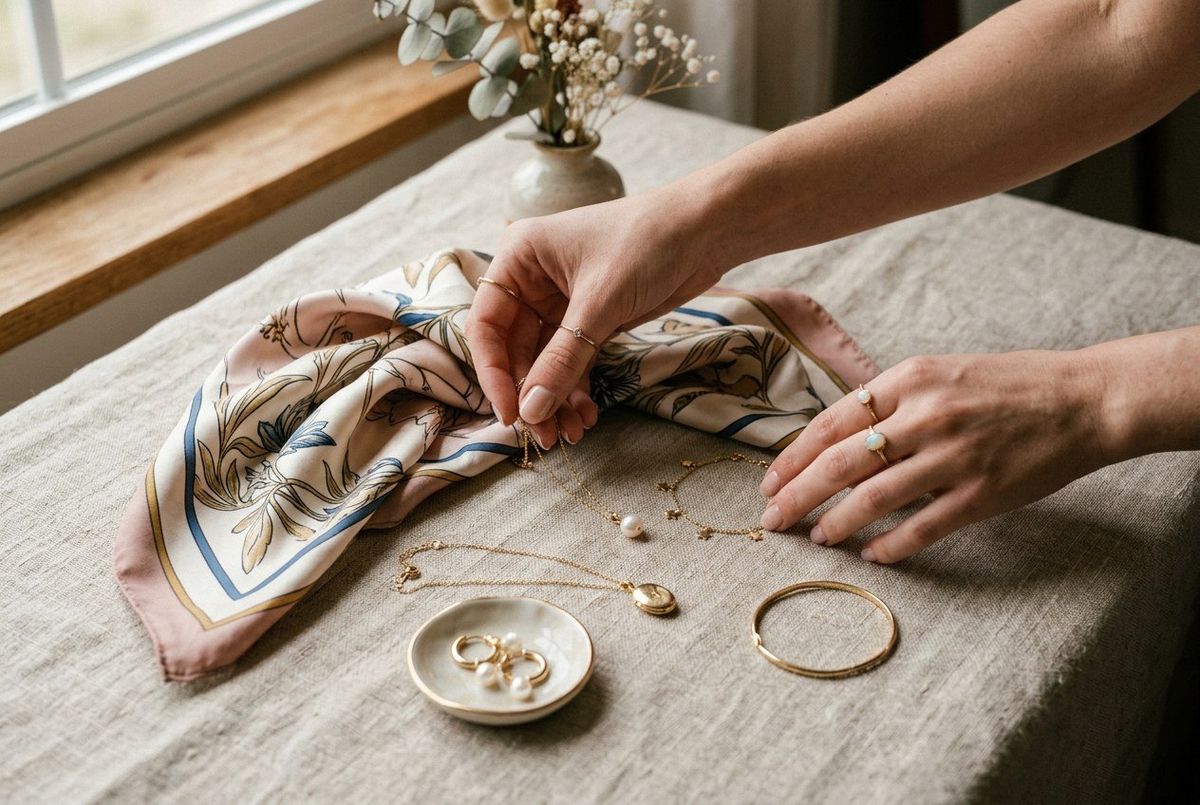
Small details add a lot. Pearls and fine jewelry catch light. A pair of heels can change your posture even in seated poses. Stockings, a hat, glasses you normally wear or a meaningful piece of jewelry make the images personal. Keep accessories simple: one or two per look is usually enough.
What to avoid
A few things reliably cause trouble on camera:
- Brand-new pieces you have never worn. Wash or at least try them on properly before the day, and remove every tag and sticker.
- Visible logos and large prints. They date quickly and pull attention away from you.
- Very stiff or shiny synthetic fabrics. Cheap satin can reflect light in harsh patches. Matte silk, cotton and lace are kinder.
- Anything that needs constant adjusting. If a strap keeps slipping or a piece needs pinning in every pose, it will slow the session down and make you self-conscious.
- Tight clothes on the way. Elastic marks from jeans, socks and bra bands can take an hour or more to fade.
Modest options
Boudoir does not require lingerie at all. Many people choose a set built around a slip dress, a silk pajama set, a long robe, a knitted sweater or a sheet, and some sessions are made almost entirely of detail and silhouette frames. Tell the photographer how much you want to show before the day. They can plan the poses, crops and lighting so that every image stays within that line, and a good photographer will treat that limit as part of the brief rather than an obstacle.
A simple packing list
- Three to five outfits, on hangers, ironed or steamed.
- A robe to wear between setups.
- Loose clothing for the journey, without tight waistbands or socks that leave marks on the skin.
- Jewelry and accessories in a small bag.
- Any props with personal meaning.
- Water and a small snack.
The day-before routine, from sleep to skin care, is covered in more detail on the preparing for a session page.
Wear what feels like you
It is easy to buy something because it appears in other people's portfolios. The images people love most years later are usually the ones where they recognize themselves. If a piece feels like a costume, it will probably look like one. Comfort and confidence read through the lens far more clearly than any particular style of lingerie.