Styles
Boudoir Photography Styles, Explained
Two photographers can photograph the same person in the same room and produce completely different work. Style is the reason.
When people browse boudoir portfolios they often sense that some work feels right and some does not, without being able to say why. Usually the difference is style: a consistent set of choices about light, color, setting and editing that a photographer applies across their work. Knowing the main styles makes it much easier to compare photographers, to describe what you want, and to understand what is realistic in a given room. These are the styles you will see most often.
Light and airy
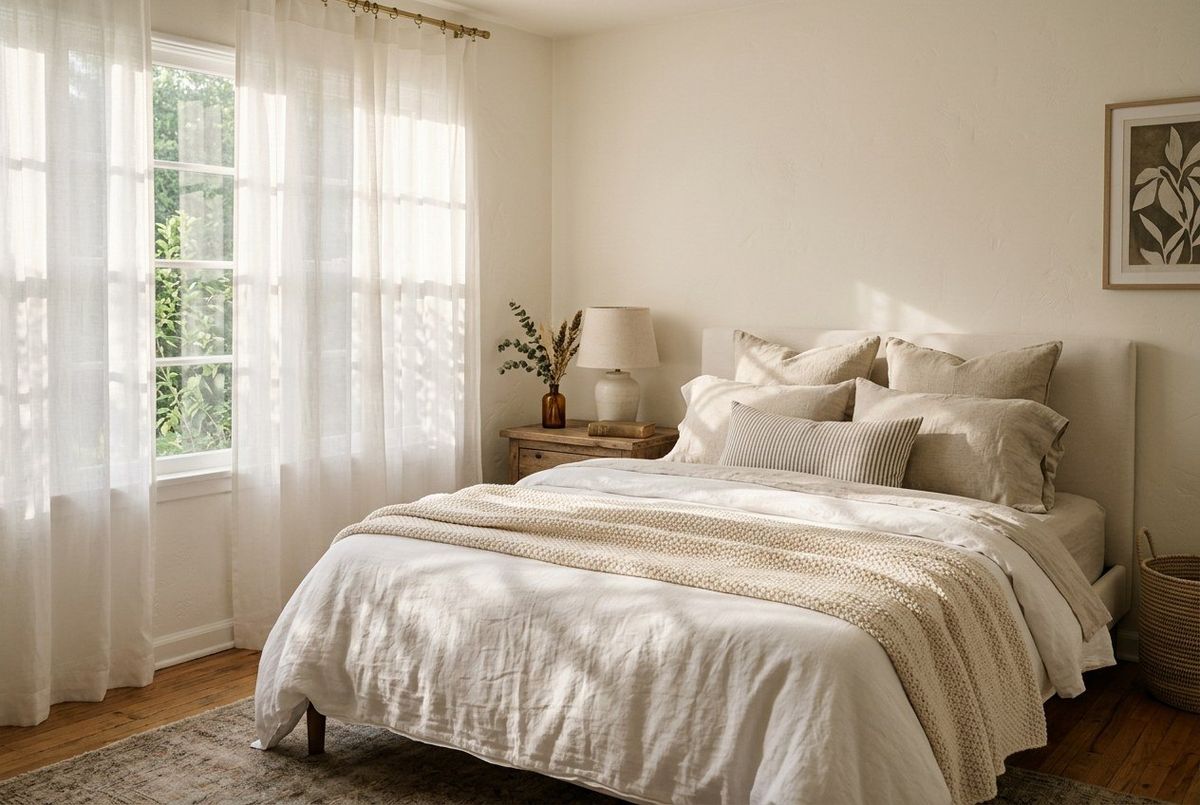
What it looks like: bright, soft, slightly overexposed images with pale tones, white bedding, cream walls and plenty of daylight. Shadows are gentle and skin glows.
How it is made: large windows, sheer curtains, white reflectors and a bright edit that lifts the shadows. It depends heavily on the location and the weather, so photographers who specialize in it usually work in studios with big north-facing windows or homes chosen for their light.
Who it suits: people who want a fresh, romantic, natural set, and bridal sessions in particular.
Dark and moody
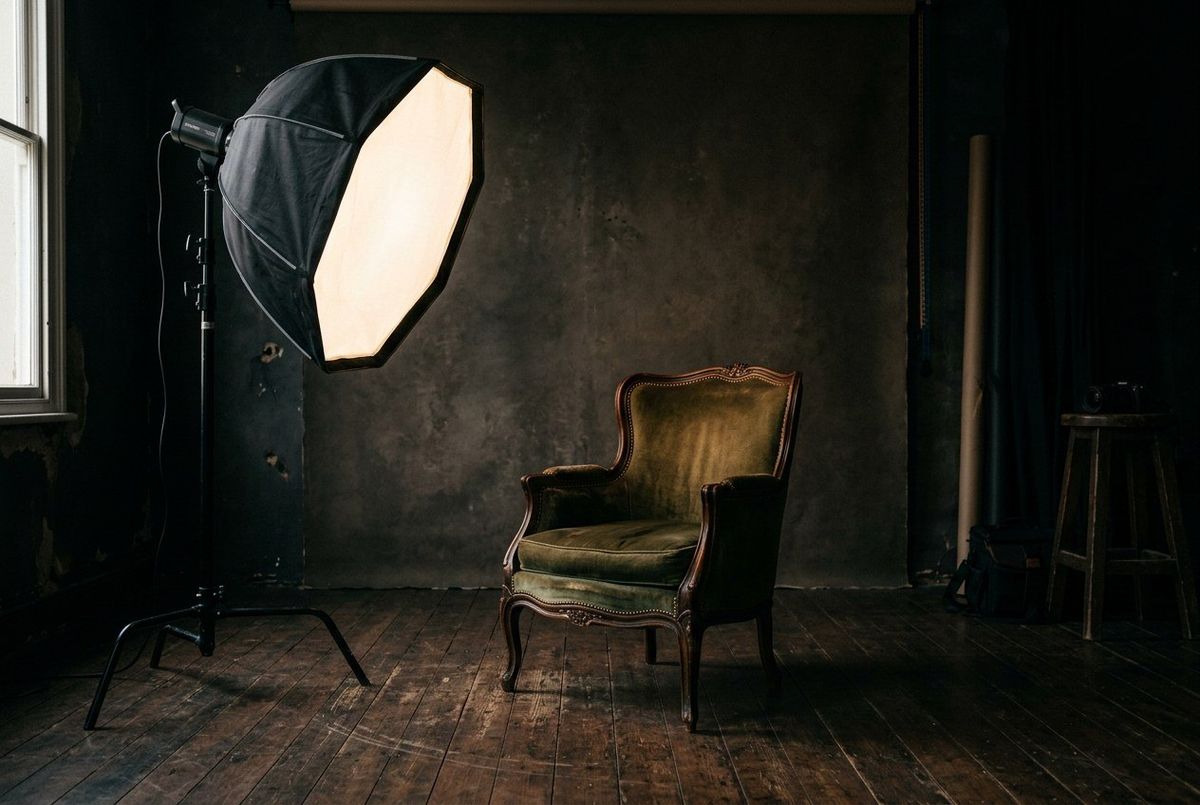
What it looks like: deep backgrounds, a single pool of light, rich shadows and muted or warm color. Images feel cinematic and private.
How it is made: dark walls or painted backdrops, one main light source (a window with the rest of the room darkened, or a large softbox to one side) and careful control of where light falls. The edit keeps blacks deep without crushing detail. It is a forgiving style because shadow hides what the subject wants hidden and shapes what they want shown.
Who it suits: people who want drama and discretion, and anyone who feels self-conscious in bright light.
Fine art
What it looks like: images that read more like paintings than snapshots. Simple compositions, sculptural poses, fabric draped like classical drapery, often black and white or with a painterly color palette. Faces are sometimes hidden or partly in shadow.
How it is made: controlled studio light, minimal sets and slower, more deliberate posing. Many fine art boudoir photographers draw openly on the history of portrait painting, from Renaissance drapery to nineteenth-century salon portraits. Editing can be extensive but is usually aimed at mood and tone rather than changing the body.
Who it suits: people who want images to frame and hang, and anyone who wants a sense of anonymity in the final work.
Vintage and pin-up
What it looks like: references to the glamour photography of the 1940s and 1950s: satin, stockings, curled hair, strong red lips, playful poses, retro furniture. Often hard-lit with defined shadows, or edited in warm sepia or crisp black and white.
How it is made: styling does most of the work. Hair and makeup are central and usually done by an artist who knows period looks. Lighting is often harder and more direct than in other boudoir styles.
Who it suits: people who enjoy dressing up and want a session that feels like play.
Editorial
What it looks like: images that could sit in a fashion magazine. Strong poses, confident expressions, bold color or graphic black and white, sometimes on location outside the bedroom: a hotel, a staircase, an empty apartment.
How it is made: more direction from the photographer, more variety in angles, and often more lighting equipment. Wardrobe is treated as fashion.
Who it suits: people who are comfortable in front of a camera and want a set that feels powerful.
Film and documentary
What it looks like: natural, unpolished, intimate. Grain, soft focus, imperfect framing, real rooms. Some photographers actually shoot on film; others edit digital files to resemble it.
How it is made: natural light, little posing and lots of time. The photographer observes more than directs.
Who it suits: people who dislike posed photographs and want images that feel like memories.
Black and white, across every style
Black and white is less a style of its own than a finish that can be applied to any of the above. It strips out color, which removes distractions such as a busy bedspread or uneven skin tone, and leaves only shape, texture and light. Fine art and vintage work use it most often, but a light and airy set converted to soft monochrome can be just as effective. If a photographer's portfolio is mostly in color, ask to see some black and white work; converting well takes its own skill, and flat, grey conversions are a sign it is an afterthought.
How editing shapes style
Much of what separates these styles happens after the shoot. Color grading decides whether a set feels warm or cool, bright or muted. Retouching can be light, removing temporary blemishes and stray hairs, or heavy, smoothing skin and reshaping the body. Most respected boudoir photographers today favor restraint: skin should keep its texture and bodies should look like the people in them. Ask how much retouching is included and whether you can request less. The answer tells you a lot about the photographer's approach.
How to tell a photographer's real style
Most photographers can work in more than one style, but almost all are best at one. A few checks help:
- Look at full galleries, not just the highlights on social media.
- Check whether the portfolio shows a range of ages, body types and skin tones photographed with equal care.
- Look at the editing on skin. It should look like skin, with texture, not like plastic.
- Ask where the sample images were made. A light and airy portfolio shot in a large daylight studio will not translate to a small, dark hotel room.
The choosing a photographer guide covers the practical and ethical questions to ask once you have a shortlist.
Mixing styles in one session
Many sessions combine two looks, for example a bright set by the window and a darker set against a backdrop. That works well as long as the photographer is equally comfortable with both, and it gives a printed album more variety. The lingerie photoshoot ideas page shows how setups and moods can be planned together.